AI WEEK 2026 Isn’t Just Another Conference. Here’s Why.
Most conferences follow the same formula - big stages, packed schedules, and surface-level networking. AI WEEK 2026 takes a different approach, designing the entire experience around how people connect, exchange ideas, and actually engage with what’s being built.
DAte
Category
Industry News
Reading Time
2 Min
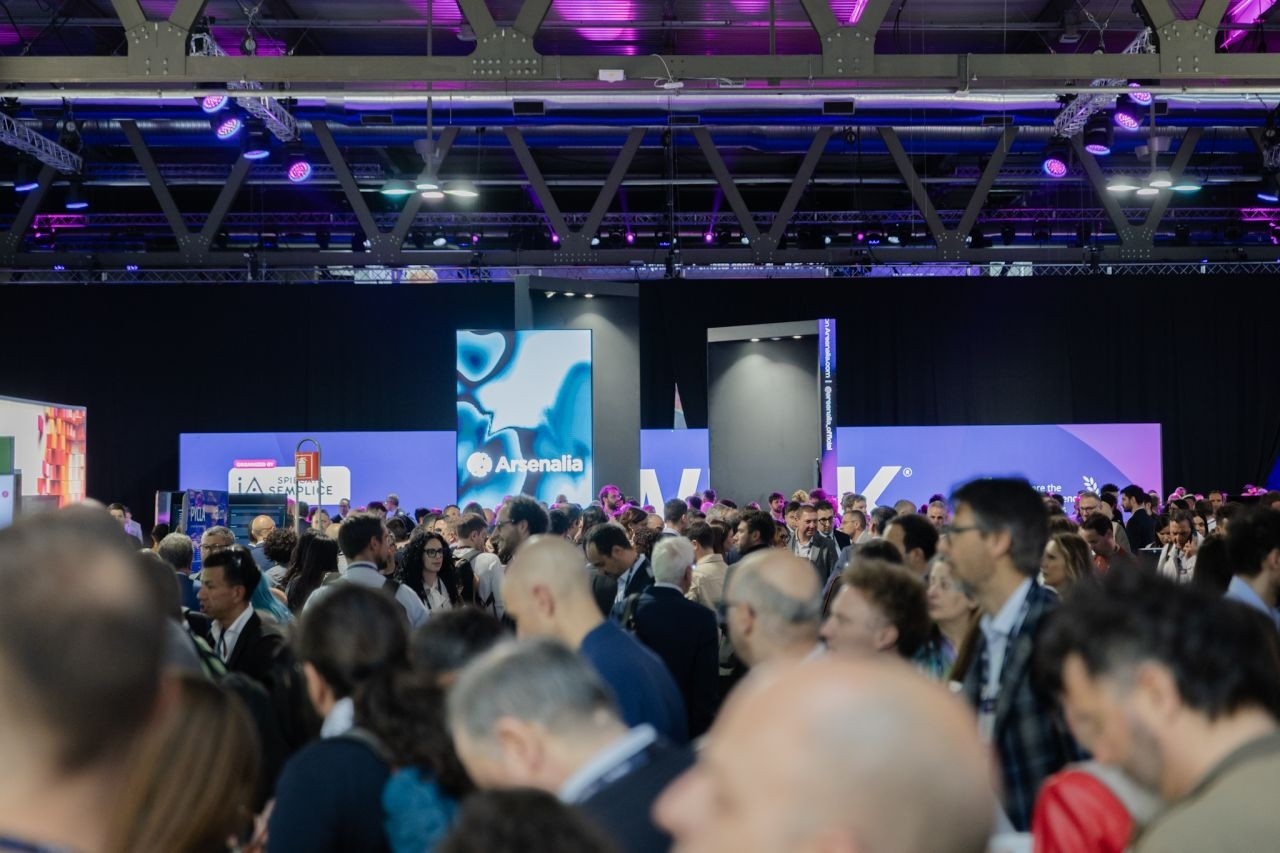
While looking through AI WEEK 2026, the first thing that stands out isn’t just the size. It’s how clearly everything is structured. Two days in Milan, May 19-20. Over 25,000 attendees expected. More than 700 speakers. Around 250 exhibitors.
At the center, there’s a 2,000-seat main stage for the big conversations. Then a separate tech stage for deeper sessions. Eight workshop rooms focused on real use cases. Smaller stages for short, direct talks. And a large exhibitor area designed for exploring what companies are building.
There’s also a dedicated networking space, built for actual conversations. The audience reflects that same approach. It’s not one type of attendee. You get decision-makers, founders, researchers, media, institutions. People coming from different angles, but dealing with the same question: how does AI fit into what we’re building today?
That mix changes what people actually talk about once they’re there. The speaker lineup brings in people from Meta, Google Cloud, MIT, Stanford, alongside founders and operators working on real products.It brings research, business, and product work into the same conversations. You can see that influence in how the event is put together, something closely tied to Pasquale Viscanti and Giacinto Fiore.
We’ve been following their work, and it shows in the way the week is set up. It isn’t just a series of talks or a stage-driven conference. They’ve shaped it into a space where people actually meet, exchange ideas, and compare what’s working in practice.
At the same time, they’ve added a layer most events ignore. Live music, aperitivo, a more relaxed rhythm around the core program. It shifts the feel of the whole thing, making it easier for people to stay, talk, and connect without it turning into another stale trade show.
The event doesn’t try to force a single experience. It creates multiple paths through it. Some will follow the main stage. Others will stay in workshops. Some will spend most of their time in conversations. That structure is what will shape how people experience those two days.
Author
24Creative Editorial Team
The 24Creative Editorial Team covers technology conferences and the communities around them, highlighting the trends, conversations, and people shaping the global tech ecosystem.


