We Spoke With the Minds Behind AI Week
We spoke with the founders of AI WEEK (Giacinto Fiore and Pasquale Viscanti) about what makes an event truly meaningful today, why human connection still matters in a technical space, and how they design experiences that go beyond the traditional conference format.
DAte
Category
Industry News
Reading Time
4 Min
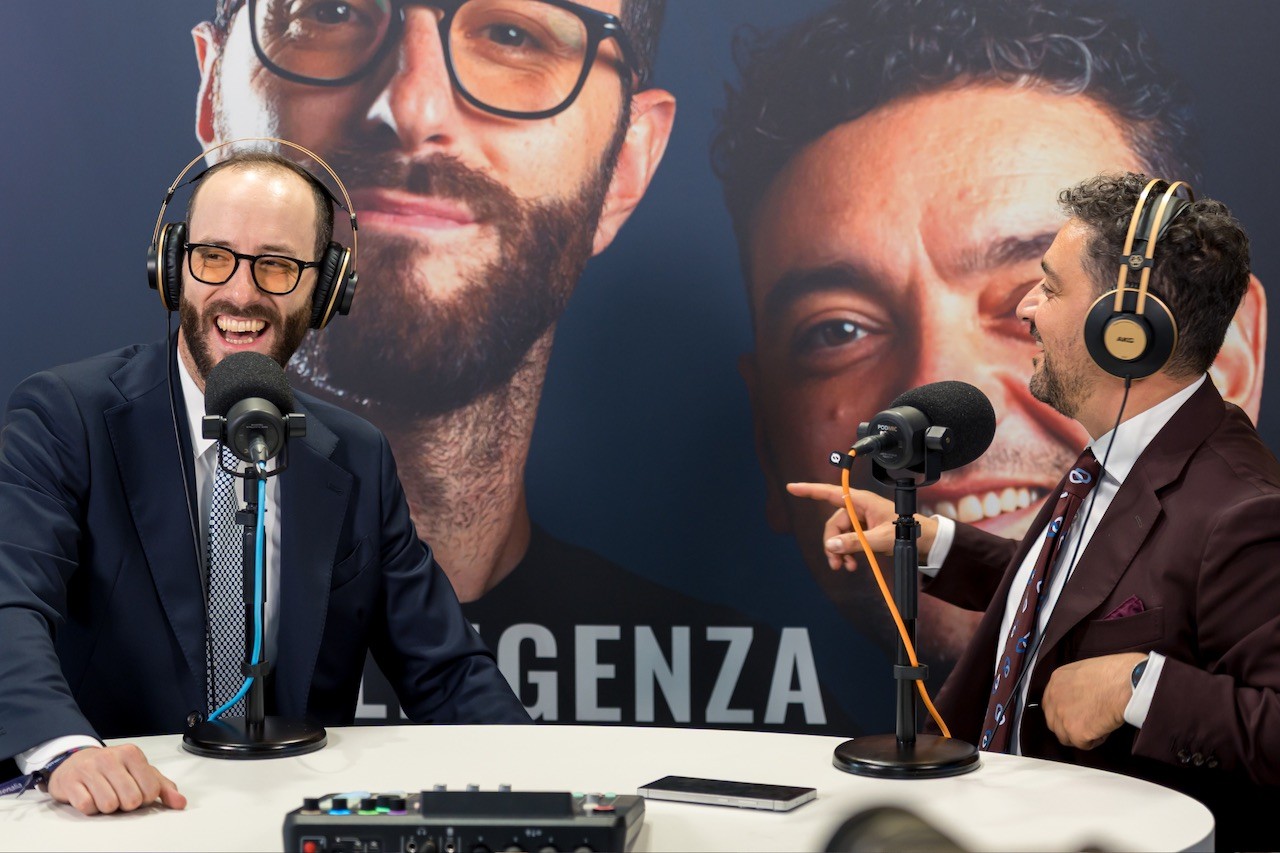
AI conferences today are no longer defined only by speakers or venues, but by the full experience they create as expectations evolve around learning, connection, and interaction. We spoke with the founders of AI WEEK (Giacinto Fiore and Pasquale Viscanti) about what makes an event truly meaningful today, why human connection still matters in a technical space, and how they design experiences that go beyond the traditional conference format.
1. A lot of conferences have high-level speakers and prestigious venues now. What do you think actually makes people leave an event thinking, “that was worth it”?
G.F: AI has captured the world’s attention in a relatively short space of time and, above all, is advancing at an impressive pace. Every day, new applications and new features emerge. While technical experts may grasp its importance, there are quite a few who tell us they feel confused. This is what Maxwell McCombs identified as the need for guidance when we find ourselves in a situation of information overload. Why is it worth attending AI WEEK? Because we meet that need for guidance: on the one hand, AI is explained in simple terms; on the other, we help people understand what is really needed and where to find it.
2. AI WEEK mixes talks with networking, music, an aperitif, and more relaxed spaces. Why was it important for you to build something that feels different from a typical conference?
P.V.: Because we are convinced that skills are just as fundamental as relationships. A talk provides insight, but a handshake or a chat brings people onto the same wavelength and helps them find shared solutions. People don’t just remember what they heard, but who they spoke to.
3. When people think about organizing an event, they usually focus on speakers and sponsors first. What’s one thing you think organizers forget about that ends up making a huge difference once people arrive?
G.C.: No single aspect takes precedence over the others. We’re now at our seventh edition. Every year, we’ve made improvements based on experience and feedback. Everything is important: speakers, themes, sponsors. But everything must work in harmony. If you can create a great atmosphere where people learn, meet, have fun and find solutions to their problems, everything runs smoothly. That’s our guiding principle. Curating the stage is important, but curating the participant’s experience minute by minute is even more so.
4. When you were building the visual identity for AI WEEK, were you thinking about making it feel more energetic and human, instead of going down the usual cold, corporate tech route? How important do you think an event’s visual identity is?
P.V.: The visual identity expresses the ‘character’ of the event. From the very start, we wanted our corporate identity to convey more than just technological content. Everything we do centers around the individual, around the people. The system of relationships between human beings remains central. In fact, if we’re being completely honest, the role of people is even more central and strategic. AI is a powerful tool, but it must be managed responsibly, ethically, and for the greater good. That is why people are fundamental. And that is why we did not want an aesthetic based on technology, but on the people who use technology.
If you want to be part of the conversations shaping what AI actually becomes, join AI Week 2026 in Milan this May.
Author
24Creative Editorial Team
The 24Creative Editorial Team covers technology conferences and the communities around them, highlighting the trends, conversations, and people shaping the global tech ecosystem.


